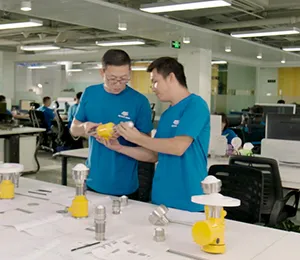
Reliable radar level measurement of carbon black in bins or silos
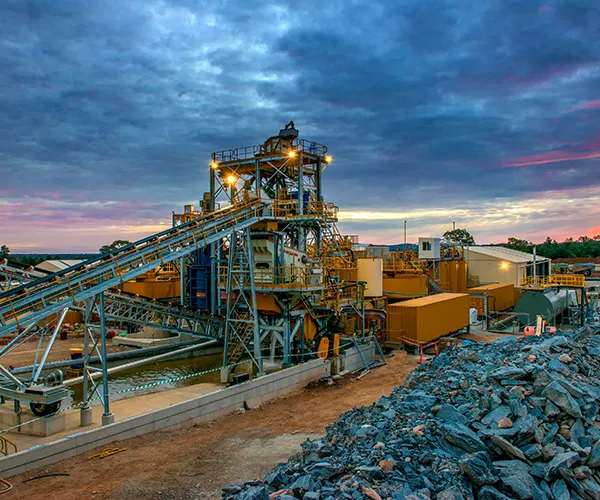
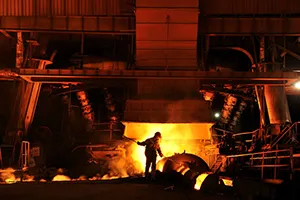
The carbon black production environment is extremely harsh where materials have a very low dielectric constant and are surrounded by high-temperature dust. Traditional level measurement methods often fail under these conditions. Millimeter-wave radar level transmitters use high-frequency microwave signals with a focused beam that penetrates dense dust and remains unaffected by changes in material properties, temperature, or pressure. This allows continuous, precise, and non-contact level measurement even in demanding industrial settings.
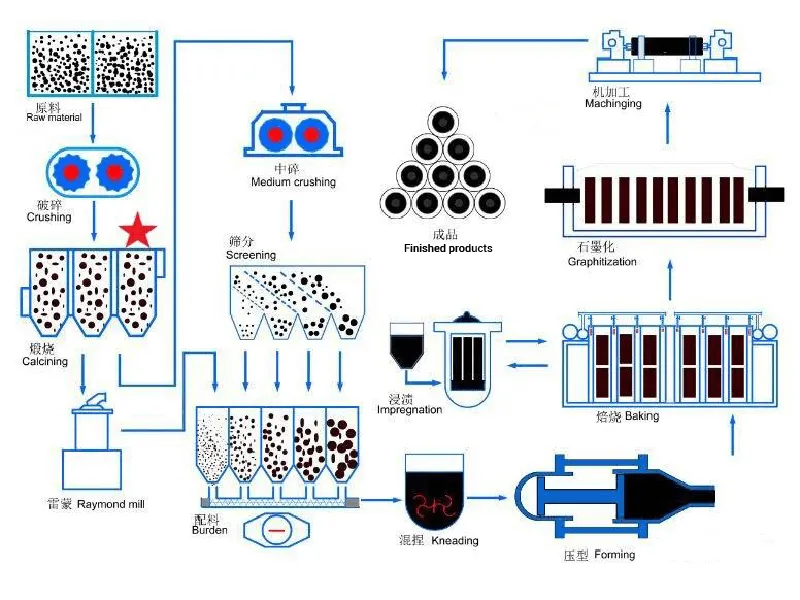
- Raw material
- Crushing
- Calcining
- Raymond mill
- Medium crushing
- Screening
- Batching
- Kneading
- Forming
- Baking
- Impregnation
- Graphitization
- Machining
- Finished products
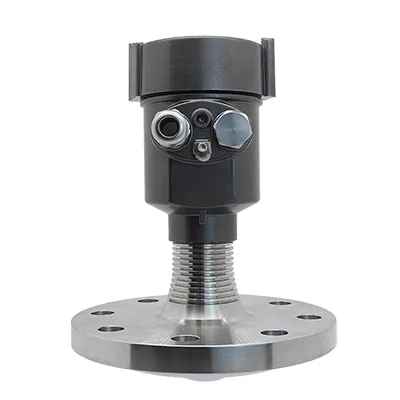
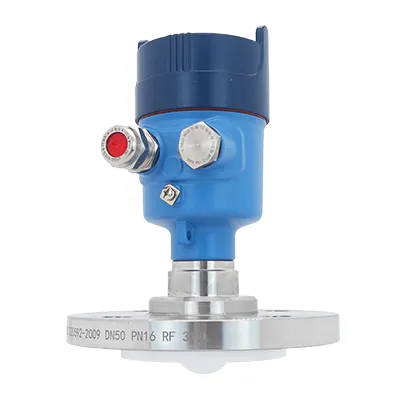
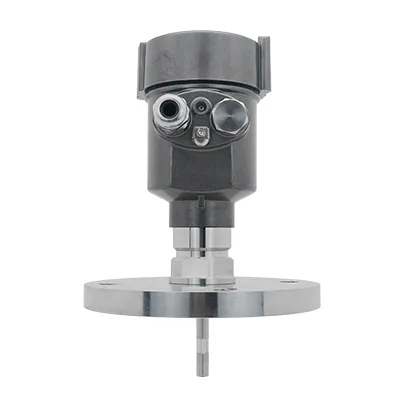
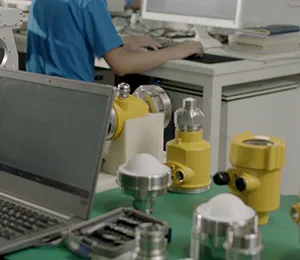
In complex process conditions combining negative pressure, heavy dust, and low-dielectric materials, the LM78 series, ADV series, and guided wave radar level transmitters deliver reliable performance. They operate on 76–81 GHz high-frequency radar technology to maintain accuracy even in challenging environments. The built-in false echo learning function filters out unwanted reflections, allowing precise detection of the actual material level.
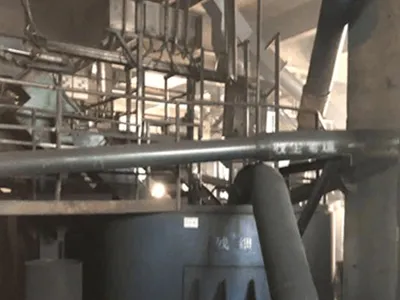
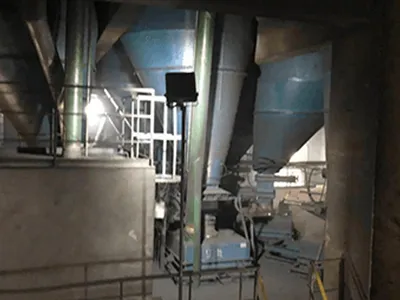
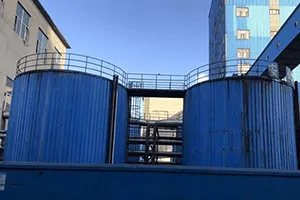
A carbon black plant in Inner Mongolia operates with conical-bottom silos standing 5.5 meters high, where negative pressure inside the tanks creates a dense, dusty environment. The radar level transmitter was installed at a height of 5.6 meters with a DN80 flange connection. Previously, the plant relied on mechanical weight-based level measurement, which required frequent manual operation and resulted in high labor costs.
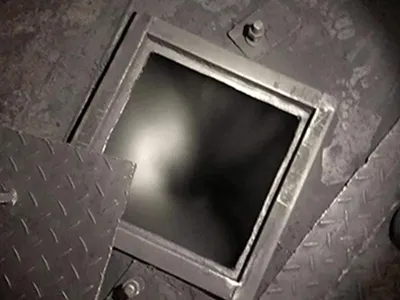
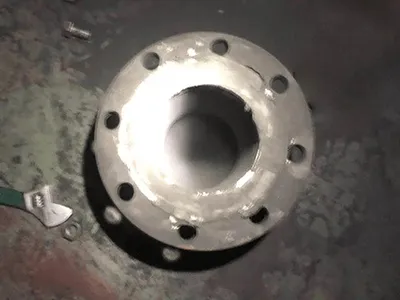
The harsh working conditions caused by negative pressure and fine powder characteristics made it difficult for contact-type or low-frequency radar instruments to achieve stable readings.
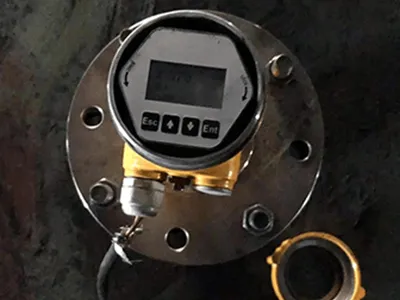
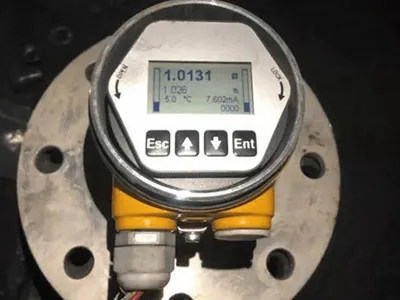
To address these challenges, the customer chose the 80 GHz radar level transmitter. Its high signal strength, narrow beam angle, strong anti-interference capability, and adjustable algorithms allowed accurate and reliable level measurement even in this demanding environment. This effectively replaced manual methods and improving overall efficiency.