Need Guidance on Radar Sensors or Security Scanners?

Tell us what you need, our experts will help you choose the right radar sensor or security scanner for your applications.

Contact Us
Why Choose Us
  • Why Choose Us
  • Why Choose Us
  • Why Choose Us
  • Why Choose Us
  • Core Competitive Edge
    We design and produce our own millimeter-wave chips, including 77–81GHz and 13/26GHz MMIC chips, as well as radar imaging processors, giving us full control over performance and innovation.
  • Core Team
    Our R&D team is led by Ph.D. experts from Tsinghua University with deep knowledge in RF circuit design, radar system algorithms, dedicated processor chips, automotive-grade SoC design, and high-frequency antenna technologies such as AiP (Antenna-in-Package) integration. We have R&D centers in Zhuhai, Beijing, and Hefei, with over 60% of our staff dedicated to research and development.
  • Product Accuracy (Radar)
    We focus on making radar sensors that are accurate, reliable, and built to meet the same standards as top international brands.

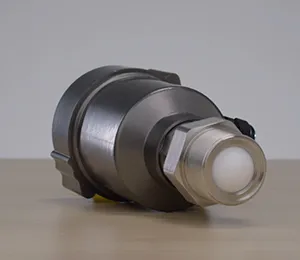
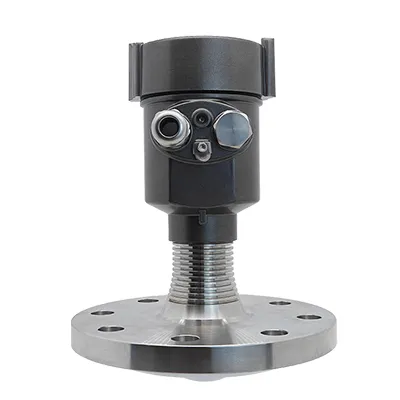
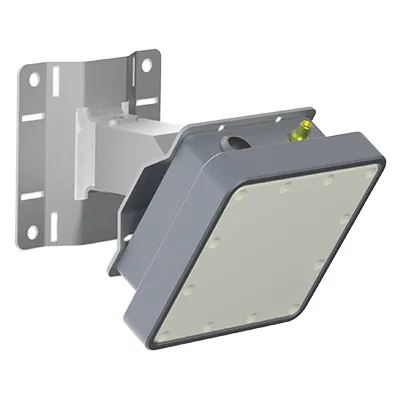
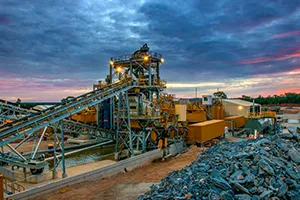
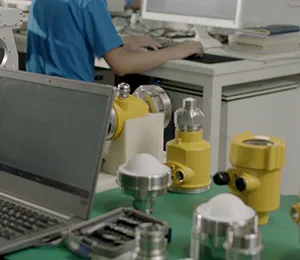
Millimeter-wave radar level transmitters are used for precise, non-contact level measurement, even in tough conditions like dusty areas, high temperatures, humidity, or corrosive environments. They’re designed to stay precise and reliable, even when operating in tough or changing conditions.

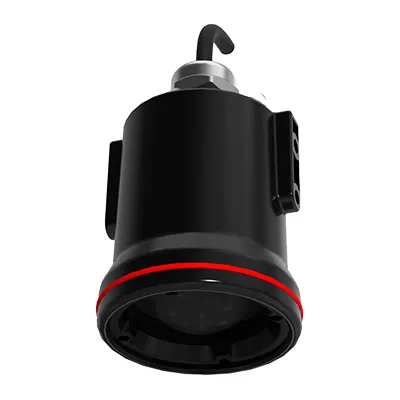
FMCW millimeter-wave radar is generally the most reliable choice outdoors. It provides non-contact measurement, carries an IP68 protection rating, and operates safely from -40°C to 85°C. Weather changes, floating debris, and water quality variations don’t impact the reading. Its millimeter-level accuracy is suitable for long-term hydrological monitoring, and features like anti-condensation and anti-buildup help prevent maintenance issues. Because nothing touches the water and the antenna stays clean, the radar can run for years with minimal attention.

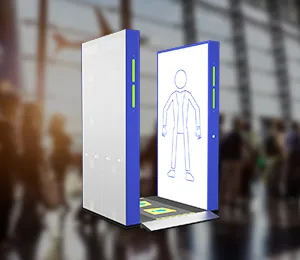
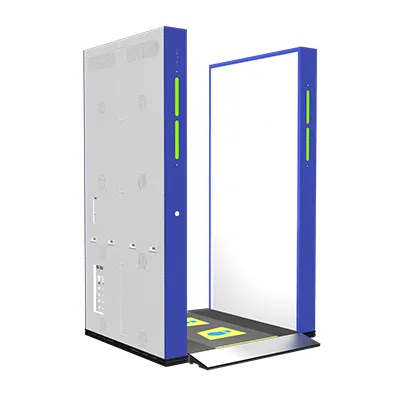
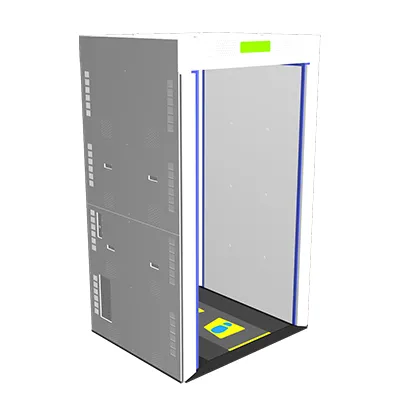
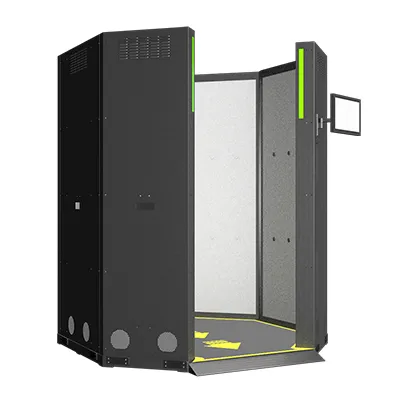
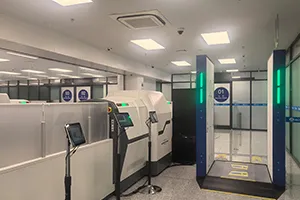
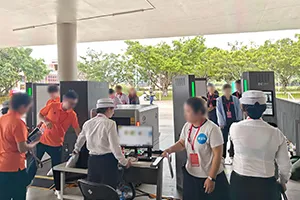
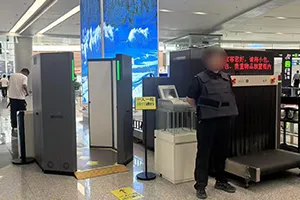
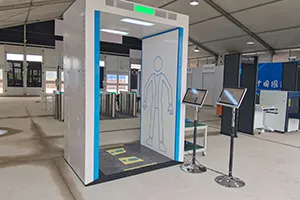
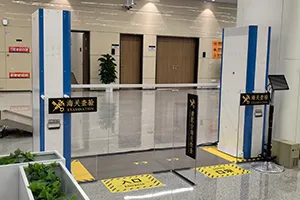
Walk-through security scanners use millimeter-wave signals, similar in nature to mobile-phone and Wi-Fi signals, they are completely different from X-ray or CT radiation. These waves don’t pass through the skin; they reflect off the surface, so they don’t cause any damage. Each screening lasts only 0.1 seconds, and the power level is about one-thousandth of a phone call. These security scanners meet the requirements of GB 8702-2014 and have been tested by the National Institute of Metrology, so passengers can use it safely.