Radar sensors for level, velocity, and flow measurement in reservoirs, rivers, and urban drainage networks
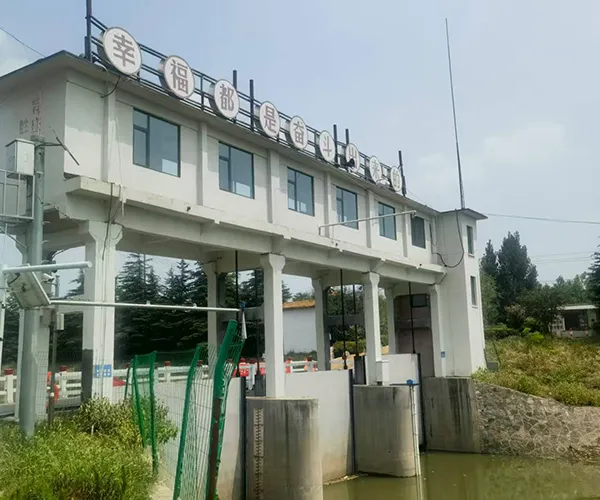
Accurate hydrological flow monitoring plays a vital role in flood prevention, water resource management, and ecological protection. In recent years, climate change and human activity have significantly altered watershed hydrology, making real-time and precise monitoring more important than ever. However, extreme weather, complex water conditions such as high sediment loads, floating debris, or turbulent flow, and the urgency of emergency response often create challenges for reliable water level, velocity, and flow measurement.
Solution
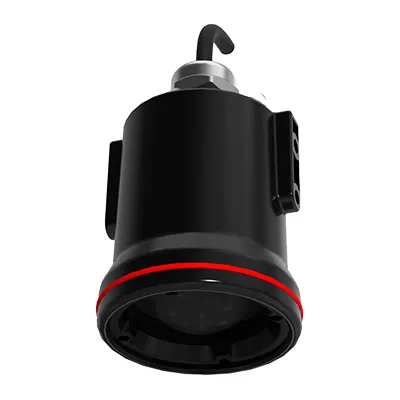
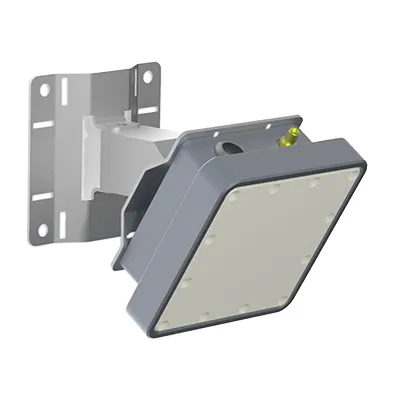
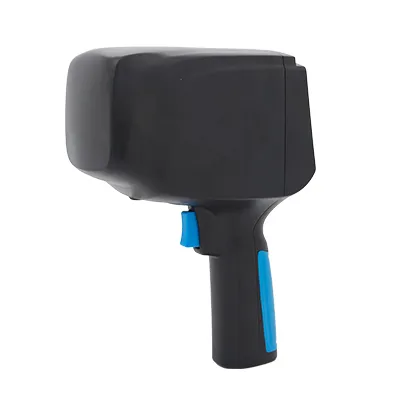
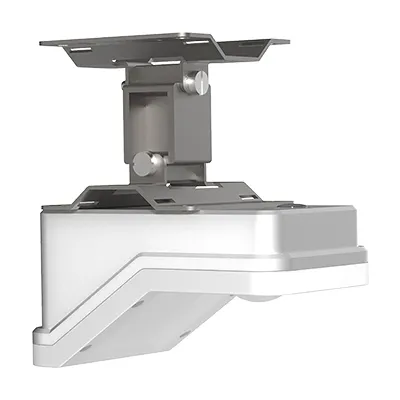
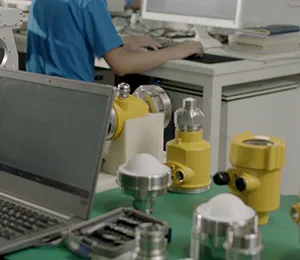
For applications such as reservoirs, rivers, municipal drainage systems, and flood-season emergency monitoring, we recommend the LM784 series radar liquid level sensor, RFM2480 radar flow sensor, RVM2400 radar velocity sensor, and handheld surface velocity radar.
These radar systems offer non-contact precision measurement, high environmental adaptability, and comprehensive coverage across all field conditions. All these features deliver a reliable data support for smart water management and hydrological monitoring.

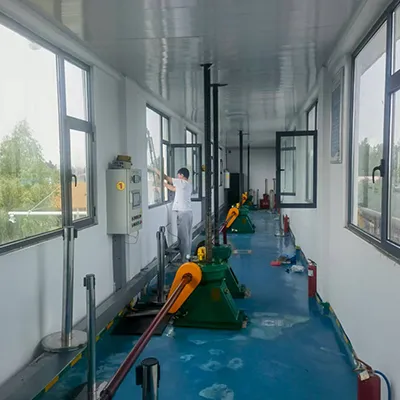
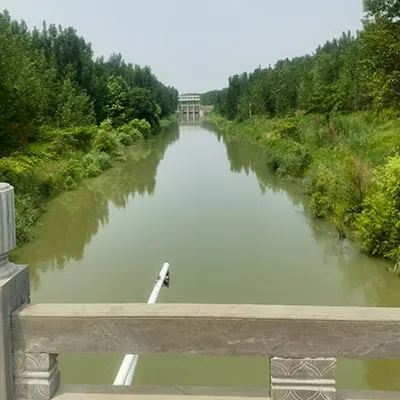
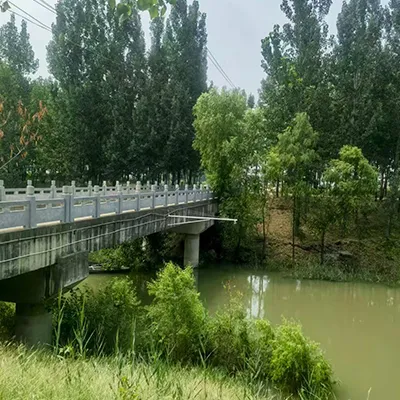
In the Weishan Lake Basin of Zaozhuang, Shandong Province, the project deployed RFM2480 radar flow sensor for continuous hydrological monitoring. The radar flow meter was connected to a data acquisition terminal via an RS485 interface, transmitting information in real time to a remote monitoring platform through a wired network. This setup enabled automatic water data collection and centralized supervision.
By combining real-time water level data with its built-in computational algorithm, the device performs multi-parameter analysis to provide instant cross-sectional flow data while automatically recording and storing cumulative flow information.
The RFM2480 radar flow meter offers two key advantages:
First, it ensures high reliability and easy maintenance, reducing long-term operational costs and keeping the monitoring system stable over time.
Second, it provides strong resistance to interference, remaining unaffected by temperature fluctuations, sediment concentration, or surface contaminants. This guarantees the accuracy and stability of monitoring data under various environmental conditions.