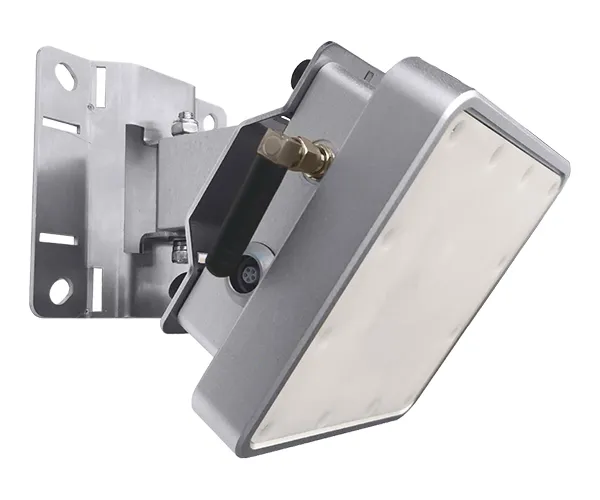
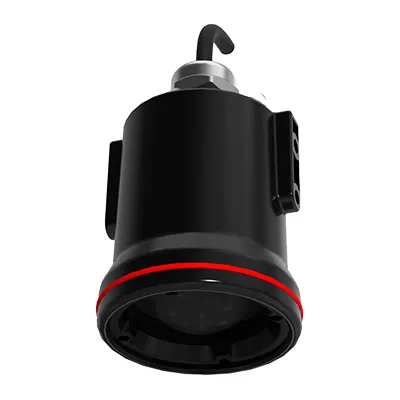
Parameters
- Operating Frequency 24 GHz
- Measuring Accuracy ±1%
- Beam Angle 12° (horizontal), 25° (vertical)
- Operating Current < 25 mA @ 24 V or < 50 mA @ 12 V
- Process Temperature -40 to 80 °C
- Velocity Measuring Range 0.1 to 30 m/s
- Measuring Distance Up to 30 m
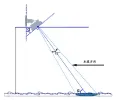
- Pitch Angle for Velocity Measurement 0° to 80°
- Antenna Type Planar array antenna, 12° × 25°
- Power Supply 9–30 VDC
- Ingress Protection IP68
- Housing Material Aluminum alloy
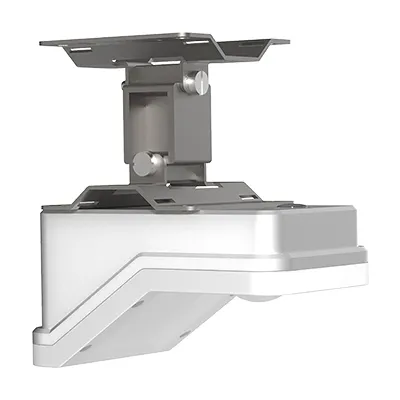
- Mounting Method Bracket installation
- Data Interface RS485 (Modbus), Bluetooth for parameter setup
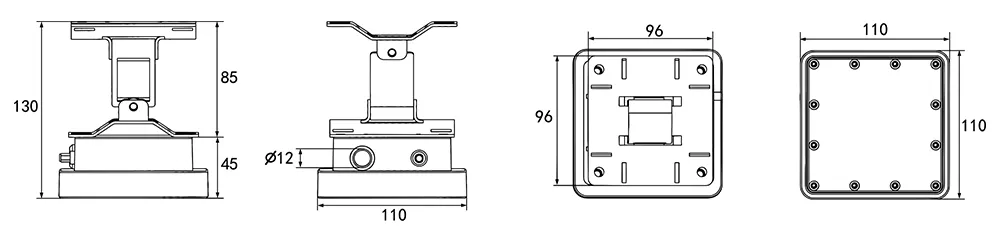
- Dimensions 110 × 110 × 45 mm
- Weight 919 g
Dimensional Drawing
Features
- Radar flow velocity sensors use planar radar technology with a measuring range of 0.1-25 m/s and a detection distance of 0-30 m.
- They offer several communication options, including Bluetooth, and can be set up through a WeChat mini-program, which makes system integration easier.
- Velocity readings are fast and stable, making the sensors suitable for high-flow conditions during flood season.
- An automatic angle-measurement function is built in, allowing installation tilt angles from 3° to 60° to be compensated for accurate velocity output.
- The design meets IP68 protection standards and includes lightning protection for reliable outdoor operation.
- Non-contact measurement eliminates the impact of weather, wastewater corrosion and sediment, which reduces maintenance needs.
- Measurement and sleep modes work together to lower overall energy consumption.
Applications
Water Resources
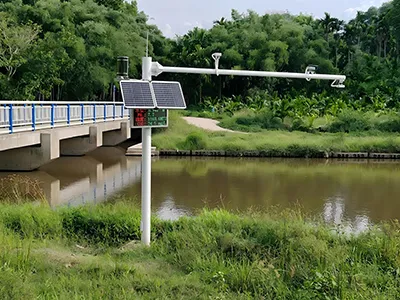
Used for measuring flow velocity in rivers and open channels.
Flood Monitoring
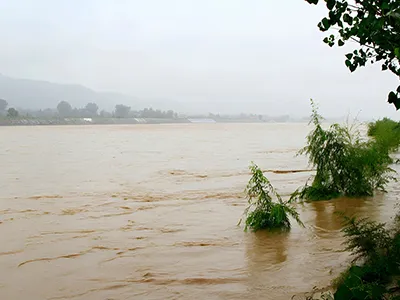
Helpful for tracking urban flooding during the rainy season and for monitoring sudden storm floods in mountain areas.
Environmental and Drainage Systems
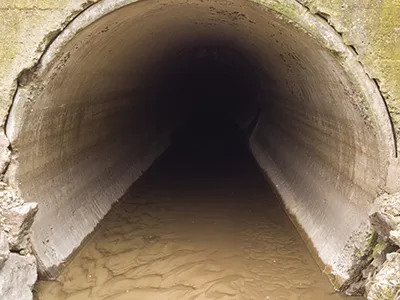
Can be used to monitor wastewater discharge points and underground drainage networks.
Coastal Monitoring
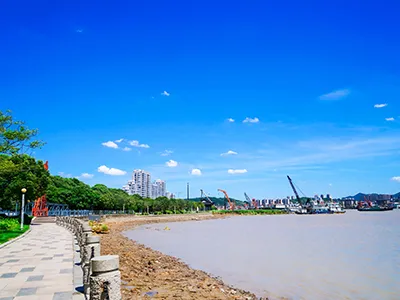
Suitable for measuring surface-flow velocity in nearshore and marine environments.
Related Radar Level Transmitters